
Tagged: Asia, Japan, photography, Tokyo, travel, travel photography, vacation
Tagged: Asia, Japan, photography, Tokyo, travel, travel photography, vacation
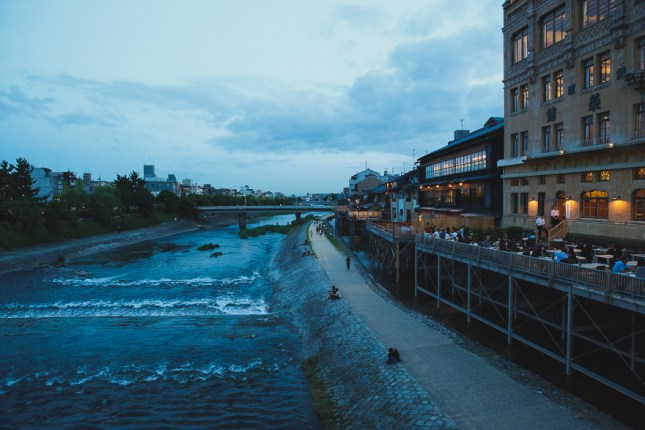
Tagged: Asia, canon photography, Japan, Kyoto, photography, travel
When I lived in New York City one of my favorite weekend activities was hitting whatever street market was happening around the city. Many Saturdays were spent strolling past stalls, buying and enjoying a variety of bites, and taking in the wares of vendors. After a few they become redundant, the same vendors popping up on different blocks and by the end of summer market-fatigue had set in. I had forgotten how much I love street food and the energy of markets until this trip to Korea and Japan. One of my favorite memories of our time in Korea is when we went to Kwangjang market and seat-hopped stall to stall eating foods I never dared eat before. We were wrapping up a day of site-seeing in Kyoto when Anthony mentioned there was a food market nearby. We didn’t realize the food, wares and history Nishiki Market held and how enthralled we would be by the colors and energy. Vacation serendipity.

Tagged: Asia, canon photography, Japan, Kyoto, Nishiki Market, travel, travel photography
The Gion District was established in the early 1600s to accommodate the needs of travelers visiting Yasaka Shrine. It evolved to become one of the most exclusive and well-known geisha districts in all of Japan.
Hanami-koji is a wide street bordered on both sides by traditional teahouses called ochaya. On the corner sits Ichiriki Chaya, easily spotted by its vibrant orange walls. Ichiriki Chaya is over 300 years old and is known as one of the most high-end establishments in Gion, offering geisha entertainment to powerful business and political figures – but strictly by invitation only. This teahouse is as famous for its history as its exclusivity. During the 19th century, revolutionary samurai warriors would meet here to plot the downfall of the shogun’s government.
Tagged: Asia, geisha, Gion District, Japan, Kyoto, photography, travel

Before I knew the name I knew of the gates. The thousands of vermilion torii gates, their imagery used in films and photos. Those gates belong to Fushimi Inari Shrine. One of the oldest and most important of shrines dedicated to Inari, the Shinto god of rice, Fushimi Inari has ancient origins dating back to 711. The torii gates line trails that lead into the wooded forest of the sacred Mount Inari which stands 233 meters above sea level.
Tagged: Asia, Fushimi Inari Shrine, Japan, Kyoto, travel, travel photography

At the foot of Mount Fuji, Hakone is a town of 13,500, known for its hot springs and is a National Geopark. The town embraces its culture, history and craftsmanship balancing charm and authenticity with modernity.
Tagged: Asia, canon, Hakone, Japan, Lake Ashi, Mt. Fuji, photography, travel, travel photography

From the bustle of 9.3 million in Tokyo to 13,500 in Hakone. We trade asphalt for green, apartment for ryokan. We travel from Tokyo to Hakone on The Romancecar, an Odakyu limited express train, which meanders through the countryside at 200 mph giving you scenery and efficiency.
Tagged: Asia, canon, Hakone, Japan, onsen, photography, ryokan, travel, travel photography

“Arise from sleep, old cat,
And with great yawns and stretchings…
Amble out for love”
―
Tagged: Asia, Japan, photography, Tokyo, travel, travel photography
 Akihabara, known for its electronic shops, has gained recognition as the center of Japan’s otaku (diehard fan) culture with many shops devoted to anime and manga. The crowds reminded me of Times Square and the selection of anime was equally overwhelming to Lucas as were the number of young men crowded around every console, figure, cashier stand.
Tagged: Akihabara, canon, Japan, photography, street photography, Tokyo, travel, travel photography
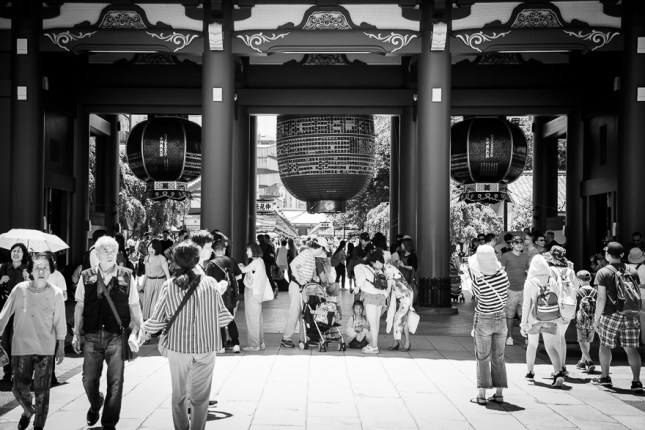 Legend says in the year 628 two brothers fished a statue of Kannon, the goddess of mercy, from the Sumida River. And although they tried to return the statue back to the river the statue always returned to them. So they built a temple, Sensoji, for the goddess of Kannon. Completed in 645 it is Tokyo’s oldest temple.
Tagged: Asakusa, Asia, Japan, photography, Sensoji Temple, street photography, Tokyo, travel, travel photography
 Our Everyday