
At the foot of Mount Fuji, Hakone is a town of 13,500, known for its hot springs and is a National Geopark. The town embraces its culture, history and craftsmanship balancing charm and authenticity with modernity.
Tagged: Asia, canon, Hakone, Japan, Lake Ashi, Mt. Fuji, photography, travel, travel photography


 Akihabara, known for its electronic shops, has gained recognition as the center of Japan’s otaku (diehard fan) culture with many shops devoted to anime and manga. The crowds reminded me of Times Square and the selection of anime was equally overwhelming to Lucas as were the number of young men crowded around every console, figure, cashier stand.
 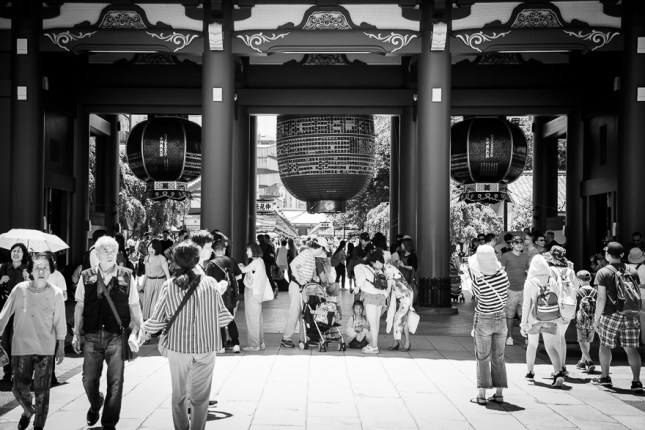 Legend says in the year 628 two brothers fished a statue of Kannon, the goddess of mercy, from the Sumida River. And although they tried to return the statue back to the river the statue always returned to them. So they built a temple, Sensoji, for the goddess of Kannon. Completed in 645 it is Tokyo’s oldest temple.
 After 83 years Tsukiji Fish Market held its final auction last Friday. The world’s largest fish market, Tsukiji deals in over 480 different types of fish and transacts over 14 billion yen a day. One of the omono (big items) of the market is tuna; a 400 kg (800lb) tuna fetched over 33 million yen ($300,000) this past Friday.
 Andong, Peaceful East, is the home of traditional Korean culture. Founded around 1 BC, Andong became a center of Confucianism after the ascent of the Joseon Dynasty to the throne. The Nakdong River flows through this capital city of North Gyeongsang Province.
 Our Everyday