
Tagged: aerial view, Grand Canyon, helicopter, Las Vegas, photography, travel, travel photography
Tagged: aerial view, Grand Canyon, helicopter, Las Vegas, photography, travel, travel photography
I walk out of the office at the end of the day and let my pleasant smile fade. I remove a jacket, a dress and ease into something more comfortable. I ready the kids for bed hearing their stories of the day. Layers of responsibility, of reminders and to-dos, of worries fall off of me, if I’m lucky, and I find my rest. When I rise the next day I apply my makeup and my steady, pleasant smile.
 A layer of tiny water droplets suspended in the atmosphere obscures visibility beyond Bar Harbor. The islands that dot the coast have disappeared. The eye has no where to look but to what is at hand.
Tagged: Bar Harbor, family vacation, Maine, photography, travel, travel photography

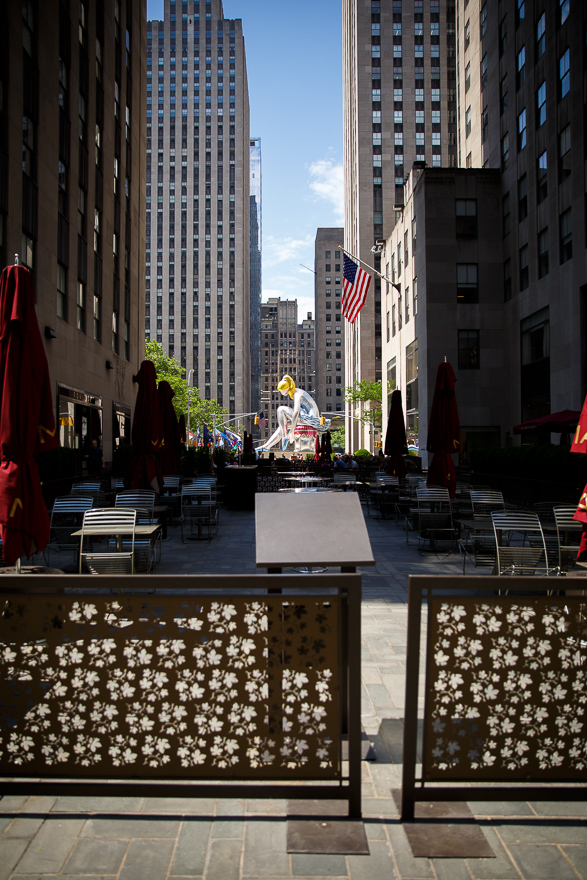 She sits 45 feet high above her visitors, her reflective surface mirroring the surrounding landscape and those that take in the view. She symbolizes beauty and connectivity, a contemporary interpretation of the mythological goddess Venus. The installation seeks to raise awareness and support for organizations like International Centre for Missing and Exploited Children.
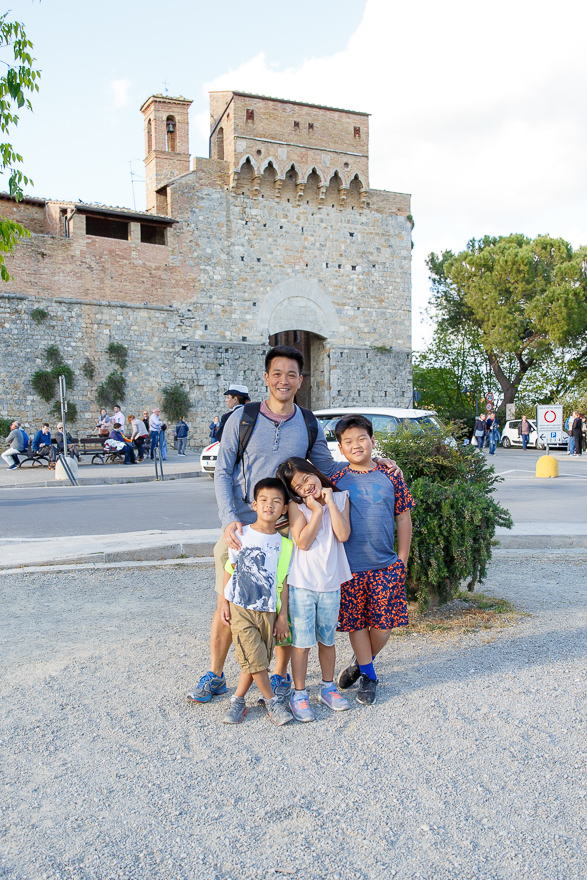
There once stood 72 tower houses within this double walled city, each built to demonstrate the wealth and power of the competing noble families. The fourteen that remain, rising proudly above its palaces, preserves the history of a feudal town controlled by rival factions ever ready for conflict.
San Gimignano mainly developed in the first three centuries of the Millennium, thanks to its favorable geographical position becoming an important transit stop for pilgrims traveling from France to Rome. The city flourished until 1348 when two thirds of its population was decimated by the Black Death. San Gimignano knew a long period of decline in the shadow of dominant Florence. This decline served to insulate San Gimignano from the influence of different architectural styles as there was little subsequent development. San Gimignano remained preserved in its medieval state until the 19th century when its status as a tourist and artistic destination began to be recognized. Today San Gimignano continues to preserve its authenticity thanks to the strict enforcement of the restoration principles.

 The Antinori family has been involved in the production of wine for over six centuries, through twenty six generations. Antinori nel Chianto Classico was opened in 2013 and served to relocate the company headquarters from its Renaissance palazzo in Florence to the hillside of Bargino, literally, the winery is folded into the hillside resembling a pair of rust-colored slashes in newly planted vineyards. “The idea was to bring the heart of the company back to the countryside where the wine is produced,” says Antinori.
We celebrated our anniversary at the Inn at Perry Cabin in Saint Michaels, Maryland. There was nothing better than sitting by the pool, in the kayak, on our balcony, in the adirondack chairs and watching the water go by. 
We drove past Radda on our first day in Tuscany on our way to Antinori winery. We drove past Radda two days later on our way to Podere La Piaggia for our cooking class. We were about to drive past Radda on our way to San Gimignano when we finally stopped. I could imagine us, returning home and saying to ourselves “What was that cute town we kept driving past?” and being filled with wanderlust-regret. We played on the playground, browsed the shops, chatted with an artist whose art was being displayed in the Palazzo del Podesta and experienced the charm of this 9th century medieval town for just about an hour on this Monday morning.

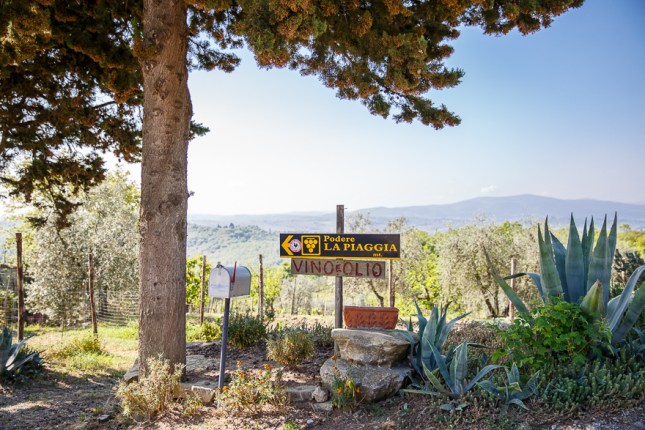 One of the experiences I insisted on having during our trip to Italy was a cooking class. There are many options and it becomes challenging to discern one from the next. Fortunately our hotel recommended a private class offered by La Piaggia. This experience was beyond all my expectations; it was intimate, immersive, elegant and casual all at once.
Podere La Piaggia is a family run estate nestled among the hills of Chianti Classico. Situated on the slope overlooking Siena and the Val d’Elsa, the estate occupies an area of just over forty hectares, half of which are uncultivated and consist of woods, while the rest of the land is divided between vineyards and olive groves. In the center is the farmhouse, with the cellar below dating back to the 1600s. Three generations tend to this land. Despite the necessary modernization carried out over the years, La Piaggia holds to the ancient winegrowing tradition with a respect for nature in all of the production phases.
 Our Everyday